
Have you ever wondered why so many men fall through the cracks of mental health care even when the signs are right in front of you?
Men’s mental health and social determinants shaping access to effective services
You should care about this because men’s mental health struggles are not just private tragedies; they ripple through families, workplaces, and communities. The numbers are stark: men account for a disproportionate share of suicide and substance-related deaths, yet they often report lower rates of depression and anxiety. That paradox isn’t accidental. It’s shaped by biology, gendered expectations, diagnostic tools that miss male-typical presentations, and social conditions that make help harder to find and accept.
Below you’ll find a detailed guide to the epidemiology, the hidden presentations, the social determinants that increase risk, and practical implications for making services work for men. You’ll also see where measurement problems and service design need to change so men don’t continue to be undercounted and undertreated.
Why this matters to you: scope and epidemiology
You probably know someone who experienced an abrupt turn in mood, a spiral into substance use, or a sudden loss. For men, these patterns are not rare anomalies.
- Suicide and substance use carry a heavy male burden. Around 75% of suicide and substance-related deaths are among men. To put a national example in front of you: in Canada in 2009, 77% of suicides were men.
- Men have higher diagnosed rates of certain conditions. Neurodevelopmental disorders such as ADHD and autism, and disruptive/impulse-control disorders, are more commonly diagnosed in males.
- Yet men report lower rates of depression and anxiety. On paper, men’s prevalence of depression and anxiety disorders appears to be about half that of women (roughly a 1:2 male:female ratio). That apparent advantage is likely biased by how symptoms are measured and how men report (or don’t report) internal distress.
You should understand these facts as pieces of a larger puzzle: men show high mortality from behaviors and addictions, but lower measured rates of internalizing disorders. That suggests measurement and help-seeking are skewed.
Patterns of mortality: suicide and substance use
When someone talks about men’s mental health, they’re often talking about life-or-death outcomes. Men account for the majority of suicides and many substance-related deaths. Those are not distant statistics — they reflect avoidable system failures.
| Indicator | Approximate male share |
|---|---|
| Suicide and substance-related deaths | ~75% |
| Example: Canadian suicides (2009) | 77% male |
These numbers emphasize urgency. When you see men engaging in heavy drinking, risk-taking, or abrupt withdrawal, understand these as potential signals of severe distress that often precede fatal outcomes.
Male-predominant diagnoses: neurodevelopmental and behavioral disorders
You might notice that certain diagnoses — ADHD, autism, disruptive/impulse-control disorders — are more commonly made in males. That pattern has multiple roots: symptom expression, referral pathways, and diagnostic criteria tuned to behavioral presentations more visible in boys and men. For some men, these neurodevelopmental profiles interact with social pressures to increase vulnerability to substance misuse and early dropout from services.
The paradox: lower reported depression/anxiety in men
This is the part that trips a lot of people up. Men report lower rates of depression and anxiety, yet they have higher rates of suicide and substance use disorders. How does that happen?
- Measurement and reporting bias: Standard diagnostic tools prioritize internalizing symptoms (sadness, tearfulness, feelings of worthlessness) that some men may not recognize in themselves or may be reluctant to report.
- Masked or “male” depressive presentations: Men often “act out.” Instead of reporting low mood, they may increase alcohol and drug use, take risks, show anger and irritability, or throw themselves into work to avoid feeling. These externalizing behaviors often lead to a different set of diagnoses or to no formal diagnosis at all.
If you perceive a stoic man who’s drinking more, getting into trouble, or suddenly reckless, believe that these could be manifestations of depression or distress — not just bad choices.
How male depressive presentations and measurement problems create underdiagnosis
You should question the tools and the assumptions clinicians rely on. The instruments often miss what men show.
Masked depression and “male” depressive presentations
When depression takes the form of anger, substance misuse, or risk-taking, it slips under traditional diagnostic radars. Men’s distress can masquerade as behavioral problems, legal troubles, or relationship conflicts, and clinicians may respond to those presenting issues without recognizing the emotional core.
Examples of male-typical depressive signs:
- Increased alcohol or drug use as self-medication
- Aggression, irritability, or violent outbursts
- Reckless driving or risky sexual behavior
- Overwork, hyperactivity, or escapism
- Physical complaints, insomnia, or chronic pain without clear cause
Measurement problems in standard tools
Diagnostic interviews and self-report questionnaires often ask about sadness, crying, or hopelessness. If you never feel comfortable naming those states, you score lower — even if your behavior is dangerous and your life is unraveling.
A simple comparison highlights the mismatch.
| Typical screening emphasis | Common “male” presentation | Risk if tool not adapted |
|---|---|---|
| Sadness, tearfulness, low mood | Substance misuse, irritability, risk-taking | False negatives for depression |
| Internalized anxiety symptoms | Complaints of anger, somatic symptoms | Misattribution to physical illness |
| Self-report of feelings | Behavioral indicators reported by partners or employers | Missed diagnosis without collateral info |
You should encourage clinicians to ask about behavior changes, substance use, and risk-taking, and to gather collateral information from family or co-workers when possible.
Social determinants that shape risk and access to care
If you want to understand why men’s mental health outcomes cluster the way they do, you must look beyond individual psychology. Social determinants — the conditions in which people live, work, and age — have huge effects.
Employment and occupational stress
Work matters. For many men, identity is bound up with job status. Economic downturns, layoffs, precarious work, and dangerous occupations all increase risk.
- Male-dominated sectors like construction, mining, and transportation have higher injury risks and greater culture around stoicism and substance use.
- Job loss or prolonged unemployment raises risk for suicide and substance misuse. Loss of status is not just financial; it’s psychological.
- Workplaces can be an access point for services, but many fail to provide mental health supports that feel acceptable to men.
When you talk to men in male-dominated industries, understand how job threat and masculine norms interact to discourage help-seeking.
Family breakdown, divorce, and isolation
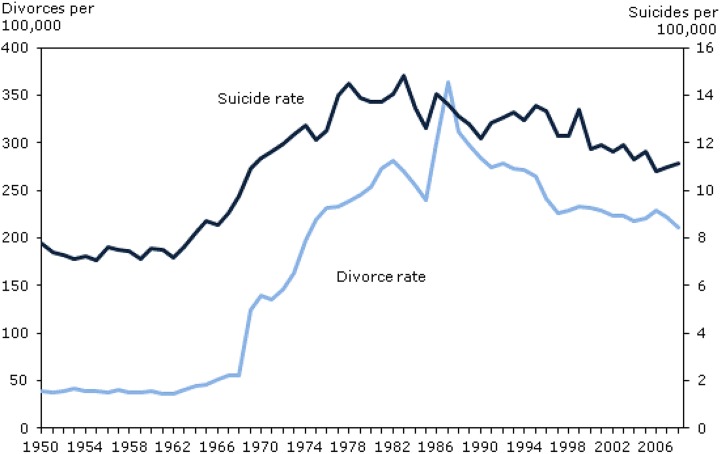
Relationship disruption hits men hard. Divorce or separation often leads to social isolation for men, especially when they lose day-to-day contact with children and a key emotional support.
- Men may experience financial strain and loss of social networks after relationship breakdown.
- Single fathers or men with limited custody can have reduced contact with children, increasing depressive risk and reducing protective social ties.
- You should notice that social isolation is a potent risk factor and not merely a side effect.
Adverse childhood experiences (ACEs)
Early trauma echoes into adulthood. Men exposed to abuse, neglect, or household dysfunction are more likely to develop substance use disorders, impulsivity, and suicidal behaviors.
- ACEs increase lifetime risk for both externalizing behaviors and internalizing disorders.
- Men with unresolved childhood trauma may resist services that ask for emotional disclosure, preferring action-oriented or skills-based interventions.
Major life transitions
Transitions — whether positive (fatherhood) or negative (retirement) — are times of vulnerability.
- New fathers can face identity shifts, sleep deprivation, and relationship strain; paternal perinatal mental health is real and often under-recognized.
- Retirement can bring loss of routine, purpose, and social status, increasing isolation and depressive risk.
- You should pay attention during transitions and be proactive in offering supports.
Intersectionality: how gender mixes with race, indigeneity, and socioeconomic context
You cannot treat men as a uniform group. Gender intersects with other identities.
- Indigenous men and some racialized groups have especially high suicide rates in certain regions. Historical trauma, discrimination, and socioeconomic disadvantage compound risk.
- Sexual minority men face stigma that raises both internal distress and barriers to care.
- Men living with poverty, homelessness, or criminal justice involvement face layered barriers — from lack of access to services to increased surveillance rather than support.
You should remember that a man’s race, culture, sexual orientation, and socioeconomic status shape how he experiences distress and how acceptable services will feel.

How masculine norms shape help-seeking and presentation
There’s social script that teaches men to be self-reliant, stoic, and emotionally contained. Those scripts aren’t neutral; they shape both how men feel and how they seek care.
Self-reliance and emotional restriction
Masculine norms value independence. When you’re taught to “handle it yourself,” asking for help becomes a moral failing rather than a smart step. That pressure can transform distress into secrecy and substance use.
Stigma and fears about being judged
You should recognize the fear: admitting vulnerability might cost you your job, your standing, or your relationships. Men often avoid services because they fear being labeled weak or unfit.
Services perceived as “feminized” or misaligned
Many mental health services are designed around talk-based therapies and clinical spaces that men find unfamiliar or uncomfortable. You might observe that clinics with a predominately female workforce or language centered on “feelings” can feel foreign to men who prefer action-oriented language.
The problem with blaming masculinity
Pinning the problem solely on masculinity can be counterproductive. When commentary is deficit-focused — “masculinity is the problem” — it risks alienating men and ignoring structural causes (economic, social, policy-related). You should seek balanced explanations that acknowledge cultural norms but also address systems.
Service use: underutilization and barriers
Men underutilize mental health services across settings. That’s not because they don’t need help; it’s because barriers stack up.
Patterns of utilization
- Men are less likely to seek help for mental health in primary care and are less likely to engage in psychotherapy.
- They are more likely to present late — often in emergency settings — and in crisis.
- When men do reach services, they may disengage earlier.
Structural barriers
- Access: lower availability of male-sensitive programs in rural areas or within workplaces.
- Hours: many services operate during work hours, making attendance difficult.
- Cost and insurance: financial barriers matter more for men in precarious employment.
- Cultural competency: lack of culturally and gender-sensitive care deters some men.
Clinical assessment gaps
You should push for assessment practices that don’t rely only on men’s willingness to disclose inner feelings. Collateral history, behavioral indicators, and screening for substance use and risk-taking must be routine.

Implications for practice and policy
If you are a clinician, policymaker, workplace leader, or community member, there are concrete steps to reduce harm and increase access.
Broaden screening and assessment
- Include screening items for irritability, anger, substance use, risk-taking, sleep disturbance, and functional changes.
- Use collateral information from partners, employers, or family with consent.
- Screen for suicidality and substance misuse proactively in men presenting with behavioral issues.
- Consider brief validated tools that capture male-typical symptoms or adapt existing instruments.
Adapt services to be more accessible and acceptable
You should think about changing both language and delivery:
- Offer services in settings where men already are: workplaces, sports clubs, community centers, veteran organizations.
- Use action-oriented interventions (skills training, problem-solving therapy, behavioral activation) alongside talk therapies.
- Provide flexible hours, telehealth options, and drop-in services.
- Create outreach programs that use male-anchored language and role models to normalize help-seeking.
Workforce and clinician training
- Train clinicians in gender-sensitive assessments and awareness of masked depression.
- Promote trauma-informed care and cultural competency.
- Encourage reflective practice to avoid deficit-based assumptions about masculinity.
Community and workplace interventions
- Employer-led mental health programs can reduce stigma and provide access.
- Parenting programs targeted at fathers can normalize emotional struggles and build support.
- Community education to recognize male-typical signs of distress should be practical and action-based.
Policy and system-level changes
- Fund male-tailored mental health services and measure outcomes for men separately.
- Reduce service hours barriers and improve rural access through telemedicine.
- Address socioeconomic determinants: job programs, housing supports, and criminal justice diversion programs that prioritize treatment.
Recommended actions: a multipronged public-health approach
You’ll get the most impact if interventions operate at multiple levels simultaneously. The following table maps actions across levels so you can visualize what needs to change.
| Level | Action examples | Who should act | Expected outcome |
|---|---|---|---|
| Individual | Screen for irritability, substance misuse; use collateral info | Clinicians, GPs, therapists | More accurate identification of male distress |
| Health service | Offer male-friendly programs, flexible hours, telehealth | Clinics, hospitals, community services | Greater engagement and retention |
| Workplace | Embed mental health policies, peer support, EAPs | Employers, unions | Early intervention, reduced stigma |
| Community | Outreach in male spaces, parenting and peer groups | NGOs, community leaders | Increased help-seeking and social support |
| Policy | Fund integrated services, collect sex/gender-disaggregated data | Government, funders | Structural support, targeted resource allocation |
You should aim for coordinated action: a single workshop or ad campaign won’t suffice; systems must reinforce one another.

Research gaps and measurement priorities
If you care about long-term improvement, you want better evidence.
- Develop and validate screening instruments that capture male-typical presentations across cultures.
- Collect routine, sex- and gender-disaggregated data on service use, diagnoses, and outcomes.
- Fund longitudinal studies to understand causal pathways from ACEs, work stress, and transitions to outcomes like suicide and substance use.
- Evaluate male-tailored interventions with rigorous methods and include intersectional sub-analyses (Indigenous men, racial minorities, sexual minorities).
- Study implementation: how do you scale male-friendly services in diverse settings?
You should advocate for research funding that addresses these gaps and for transparent public reporting that lets communities understand where disparities persist.
Ethical considerations and avoiding harm
Working to reach men must be careful, respectful, and non-stigmatizing.
- Avoid pathologizing masculinity. You should differentiate between harmful norms and healthy traits like responsibility and resilience.
- Don’t reinforce stereotypes. Tailor services without assuming every man fits the same pattern.
- Respect confidentiality, especially in small communities where seeking help may carry social risk.
- Be trauma-informed. Many men’s externalizing behaviors are rooted in past trauma; punishing or dismissing those behaviors can make things worse.

Practical examples you can use or advocate for
Here are concrete models and tactics that have promise and might already exist in your community.
- Peer-led men’s groups that focus on problem-solving and skills rather than “sharing feelings.”
- Workplace screening days with confidential pathways to care and follow-up.
- Integrated primary care clinics where mental health assessment is routine for men presenting with substance use, sleep problems, or chronic pain.
- Fatherhood programs that combine parenting support with mental health check-ins.
- Mobile clinics and telehealth for rural men who can’t access in-person services.
You should consider how to adapt these models to local culture, resources, and needs.
What success looks like
If systems change, you’ll see measurable improvements:
- Increased detection of depression and anxiety in men that doesn’t rely solely on internal symptom reporting.
- Reduced rates of crisis presentations and suicide attempts.
- Better engagement and retention in treatment for substance use disorders.
- Improved social functioning, job stability, and family relationships for men receiving appropriate care.
- Narrowing of disparities for high-risk groups like Indigenous and racialized men.
Success will feel like fewer sudden losses and more men getting help before crisis.
A final note for you
You can be part of the change. If you’re a clinician, change your assessment scripts and ask about what men do when they’re stressed. If you’re an employer, create policies and pathways that make help confidential and easy to access. If you’re a friend or family member, notice behavioral shifts — increased drinking, withdrawal, anger, or recklessness — and ask directly about what’s going on. Those questions can be life-saving.
Masculinity is not a disease, but many of the systems meant to help people are not set up to meet men where they are. Fixing that requires intelligence, humility, and coordinated action across clinical practice, community engagement, and public policy. When you change the tools, the language, and the places where care happens, you lower the barriers for men to get the help they need — and you reduce the quiet tragedies that too often follow.
If you take one practical step today: start asking about behavior changes and substance use when a man presents with life difficulties. That small shift in question, in tone, and in attention can uncover hidden depression, connect someone to care earlier, and change an outcome that otherwise might have ended in tragedy.